
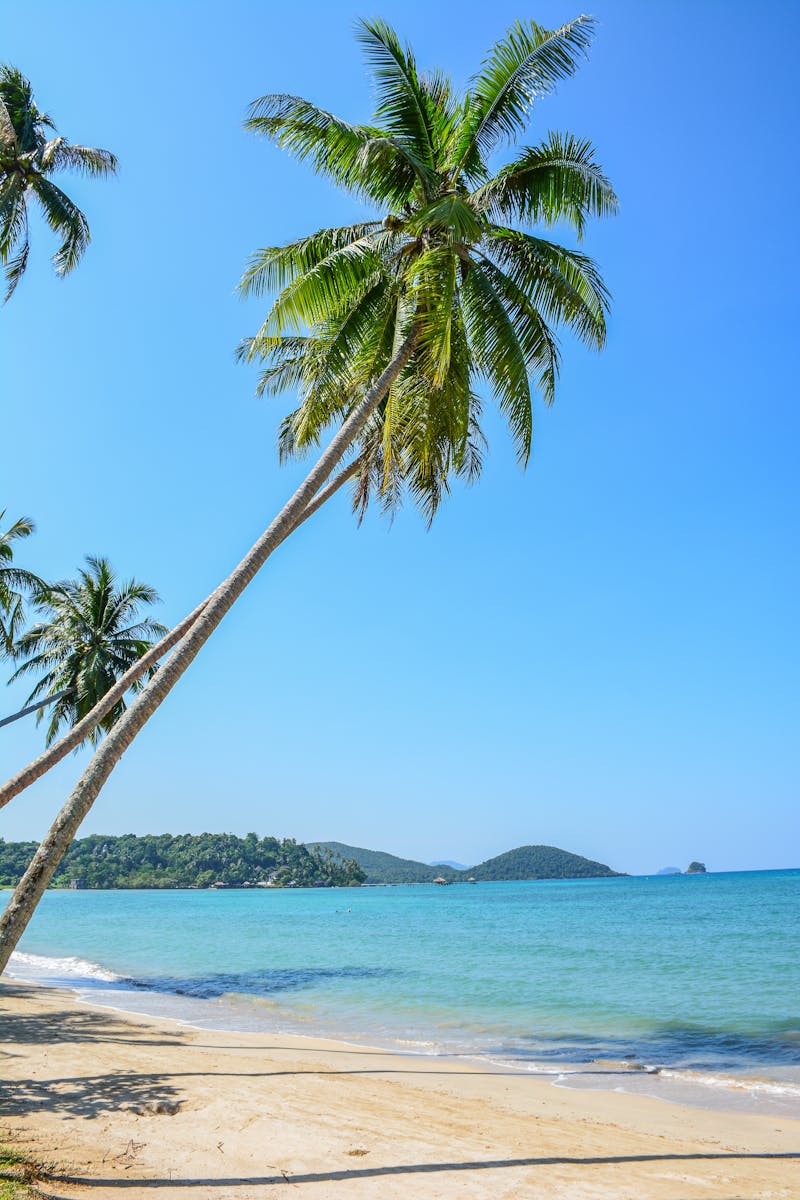
For digital nomads dreaming of working from a tropical island paradise without sacrificing productivity, Koh Lanta in Krabi Province delivers on every front. This laid-back island off Thailand’s Andaman coast has cultivated a surprising reputation as a legitimate remote work destination, complete with dedicated coworking spaces, reliable high-speed internet, and a relaxed international community that balances work with beach life. Unlike the party-focused islands of Koh Phangan or Koh Phi Phi, Lanta attracts a more mature crowd of remote workers, families, and creative professionals seeking tranquillity without isolation.
Why Koh Lanta Works for Remote Workers
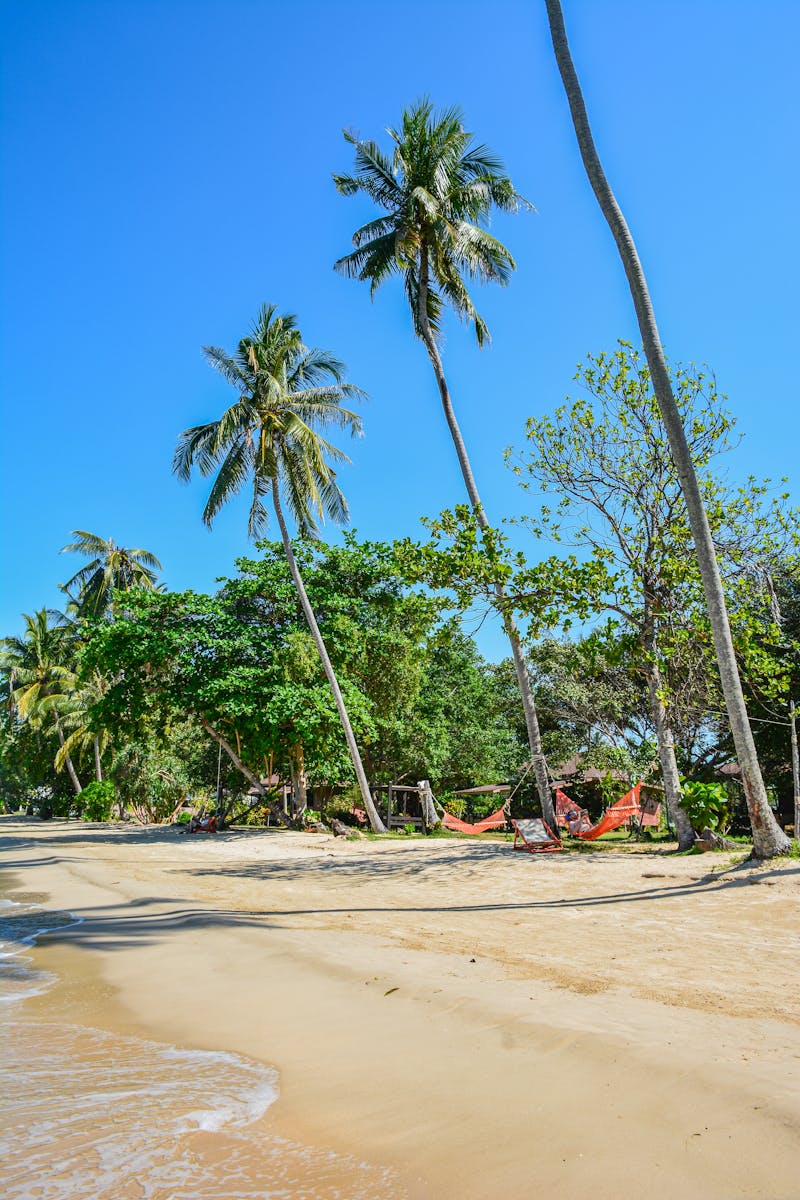
Koh Lanta’s appeal begins with its geography. The island stretches 27 kilometres from north to south, with a series of beautiful west-facing beaches perfect for sunset watching after a day’s work. Despite its tropical setting, the island has invested heavily in infrastructure, with fibre-optic internet reaching most populated areas. Mobile data coverage via AIS and True is strong across the western coast, and many accommodation options now offer dedicated fibre connections with speeds of 50 to 100 Mbps.
The cost of living on Koh Lanta sits between Bangkok and Chiang Mai prices. A comfortable bungalow or apartment near one of the main beaches costs 8,000 to 18,000 THB per month during the high season (November to April), with discounts of 30 to 50 per cent during the quieter rainy season. Meals at local Thai restaurants run 60 to 100 THB, while beachfront restaurants serving international cuisine charge 150 to 350 THB per dish.
KoHub: The Island’s Coworking Heart
KoHub is the pioneering coworking space that put Koh Lanta on the digital nomad map. Located on the main road near Long Beach, this purpose-built space has been serving remote workers since 2014 and has continually expanded and improved. Daily passes cost 295 THB, weekly rates are 1,500 THB, and monthly memberships are available from 4,500 THB — a bargain considering the included amenities.
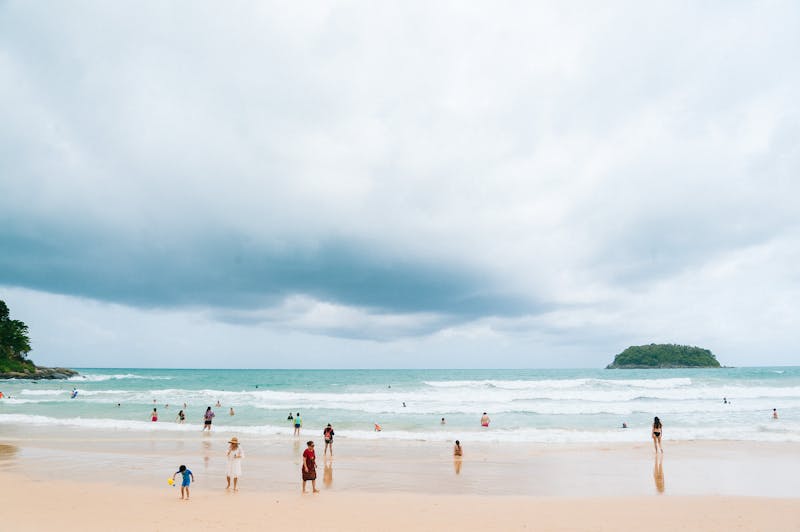
The space features air-conditioned indoor working areas with ergonomic seating, an open-air covered terrace for those who prefer natural ventilation, dedicated quiet zones for focused work, and a Skype room for video calls. Internet speeds consistently exceed 100 Mbps on the dedicated fibre line, with a backup connection ensuring uptime. The on-site café serves excellent coffee, smoothies, and light meals throughout the day.
What makes KoHub truly special is its community programming. The space organises weekly social events, skill-sharing sessions, group dinners, and weekend activities ranging from snorkelling trips to Thai cooking classes. For solo nomads, these events are invaluable for building connections quickly. KoHub also offers coliving packages that combine workspace access with nearby accommodation from 15,000 THB per month.
Best Areas to Base Yourself
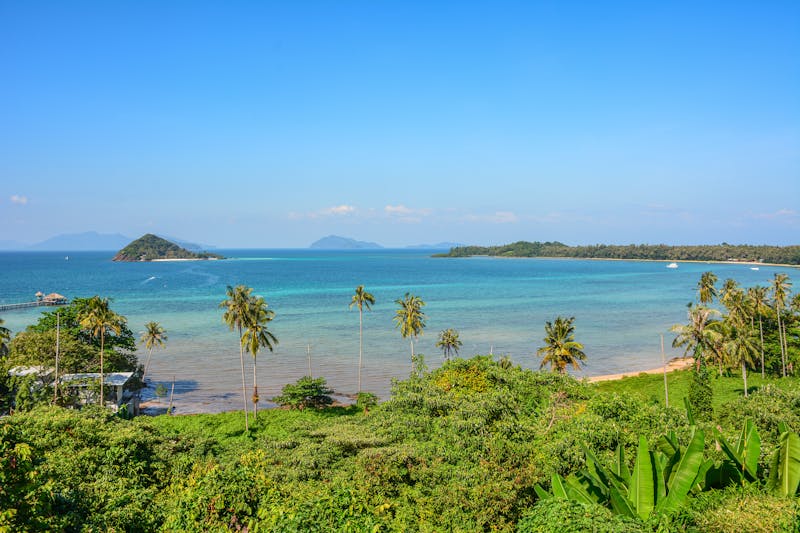
Long Beach (Hat Phra Ae) is the most popular area for digital nomads, sitting roughly in the middle of the island’s western coast. This three-kilometre stretch of golden sand is lined with restaurants, bars, and accommodation ranging from simple bamboo bungalows (4,000 THB per month) to modern pool villas (30,000 THB and above). The proximity to KoHub and the concentration of other nomads make it the social epicentre of the island’s remote work community.
Klong Dao Beach, at the northern end of the island, is slightly more developed and popular with families. The beach is calmer and more sheltered, and the area has a higher density of convenience stores, ATMs, and restaurants. Accommodation ranges from 6,000 to 20,000 THB per month, and the area is well-suited to nomads who prefer a more settled, domestic rhythm to their days.
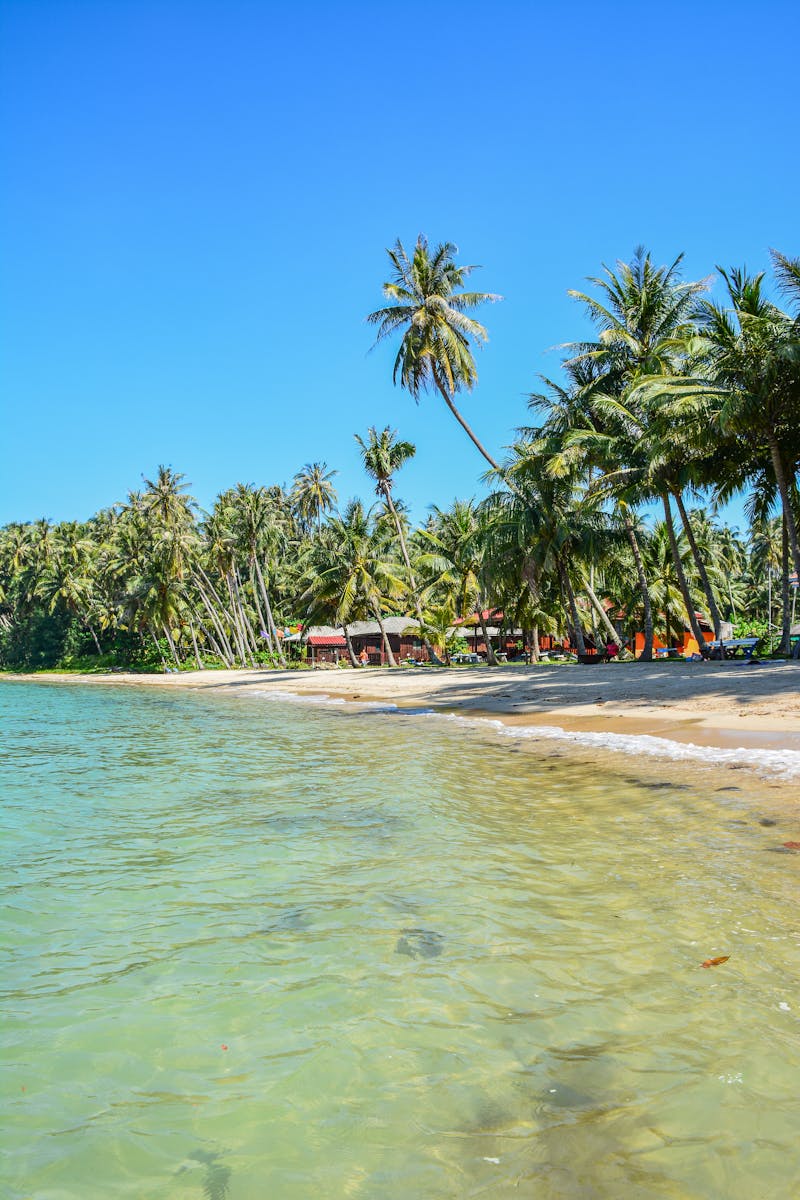
For those seeking maximum tranquillity, the southern beaches — Klong Nin, Kantiang Bay, and Bamboo Bay — offer dramatically quieter settings at lower prices. The trade-off is a 20 to 40-minute motorbike ride to KoHub and fewer dining options, though each area has a small selection of restaurants and cafés. Motorbike rental (150 to 250 THB per day, or 3,000 to 4,000 THB per month) is essentially mandatory for nomads staying in the south.
Work-Friendly Cafés
Beyond KoHub, several cafés on the island have positioned themselves as nomad-friendly workspaces. Shanti Shanti near Long Beach offers strong WiFi, comfortable seating, and an all-day menu in a beautiful garden setting. Fruit Tree Coffee on the main road near Klong Dao combines excellent speciality coffee with reliable internet and a dedicated work area with power outlets at every seat.
Time for Lime, a beachfront restaurant and cooking school on the road to Klong Dao, welcomes laptop workers during quieter afternoon hours and serves some of the best food on the island. The Falafel House near Long Beach, despite its humble name, has become an unofficial nomad hangout thanks to its good WiFi, generous power outlets, and affordable menu.
Island Life Beyond the Laptop
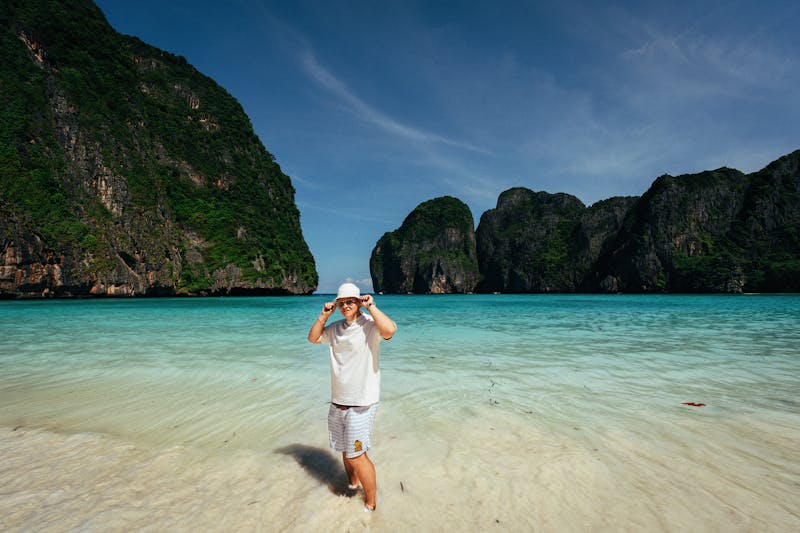
The beauty of Koh Lanta for digital nomads is that “after work” activities are genuinely world-class. The island is surrounded by exceptional snorkelling and diving sites, with Koh Haa and Koh Rok offering crystal-clear visibility and diverse marine life. A full-day snorkelling trip to the Four Islands costs around 1,000 to 1,500 THB, while PADI Open Water certification at one of the island’s several dive schools runs approximately 12,000 THB.
Yoga and wellness are deeply embedded in Lanta’s culture. Oasis Yoga on Klong Dao and Lanta Yoga at Relax Bay offer daily drop-in classes from 300 to 400 THB. Thai massage is available on virtually every beach for 300 to 400 THB per hour. The island’s relatively flat terrain makes cycling a pleasant alternative to motorbikes for exploring the northern half.
Lanta Old Town, on the eastern coast, provides a fascinating cultural counterpoint to the tourist beaches. This charming settlement of wooden shophouses on stilts over the sea reflects the island’s Chinese, Thai, and Malay heritage. The monthly Lanta Old Town Festival brings together local artisans, musicians, and food vendors in a vibrant celebration of the community’s multicultural roots.
Practical Considerations
Getting to Koh Lanta is straightforward. The nearest airport is Krabi International Airport, with direct flights from Bangkok (approximately 1,200 to 2,500 THB one-way with AirAsia or Thai Lion Air). From Krabi airport, a shared minivan to Koh Lanta costs 500 THB and takes approximately two hours, including the short car ferry crossing. During high season, direct ferry services connect Lanta to Koh Phi Phi, Phuket, and Ao Nang.
Healthcare on the island is limited to small clinics and pharmacies for basic needs. For anything beyond minor ailments, Krabi Town (1.5 hours by road and ferry) has Krabi Nakharin International Hospital. Many nomads invest in comprehensive travel insurance that covers medical evacuation — policies from companies like SafetyWing cost approximately 1,400 THB per month.
The high season (November to April) offers perfect weather with minimal rain and calm seas. May to October brings the monsoon season, during which some businesses close, boat services reduce, and rain can be heavy — though many nomads appreciate the dramatically reduced prices and fewer tourists. The ferry crossing occasionally closes during storms, so maintaining flexibility in travel plans is wise during the rainy season.
Monthly Budget on Koh Lanta
A comfortable digital nomad lifestyle on Koh Lanta costs approximately 25,000 to 45,000 THB per month during high season. This includes accommodation (8,000 to 18,000 THB), coworking at KoHub (4,500 THB), food and dining (6,000 to 10,000 THB), motorbike rental (3,000 to 4,000 THB), mobile data (500 to 900 THB), and activities and entertainment (3,000 to 8,000 THB). During low season, total costs can drop to 18,000 to 35,000 THB as accommodation and activities become significantly cheaper.
Koh Lanta represents a unique proposition in the digital nomad world: genuine island paradise living with the infrastructure to maintain a professional career. It won’t suit every working style — those requiring frequent face-to-face meetings or corporate office environments are better served by Bangkok. But for nomads who can work independently and crave a slower pace surrounded by natural beauty, Lanta delivers an experience that’s difficult to replicate anywhere else in the world.