
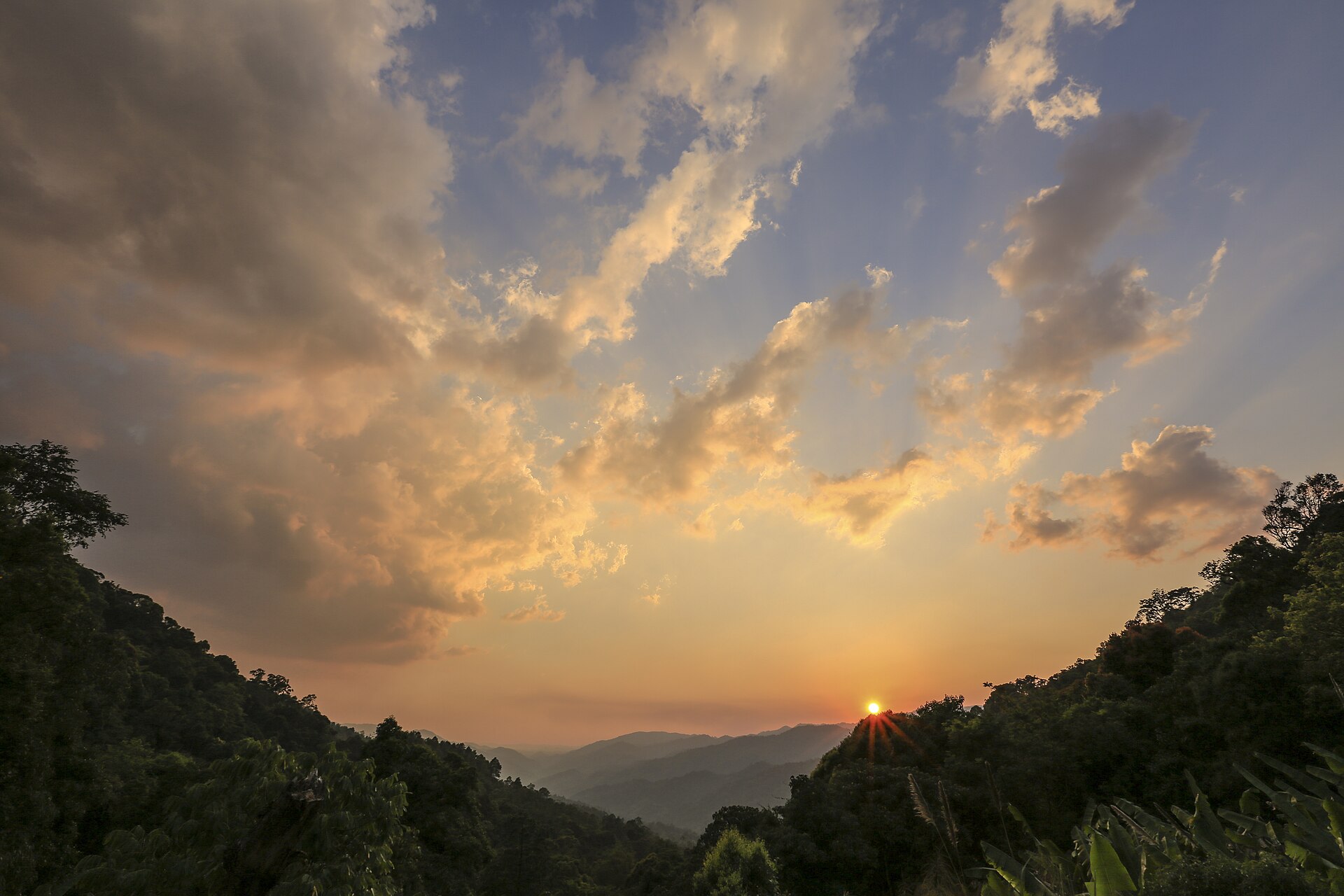
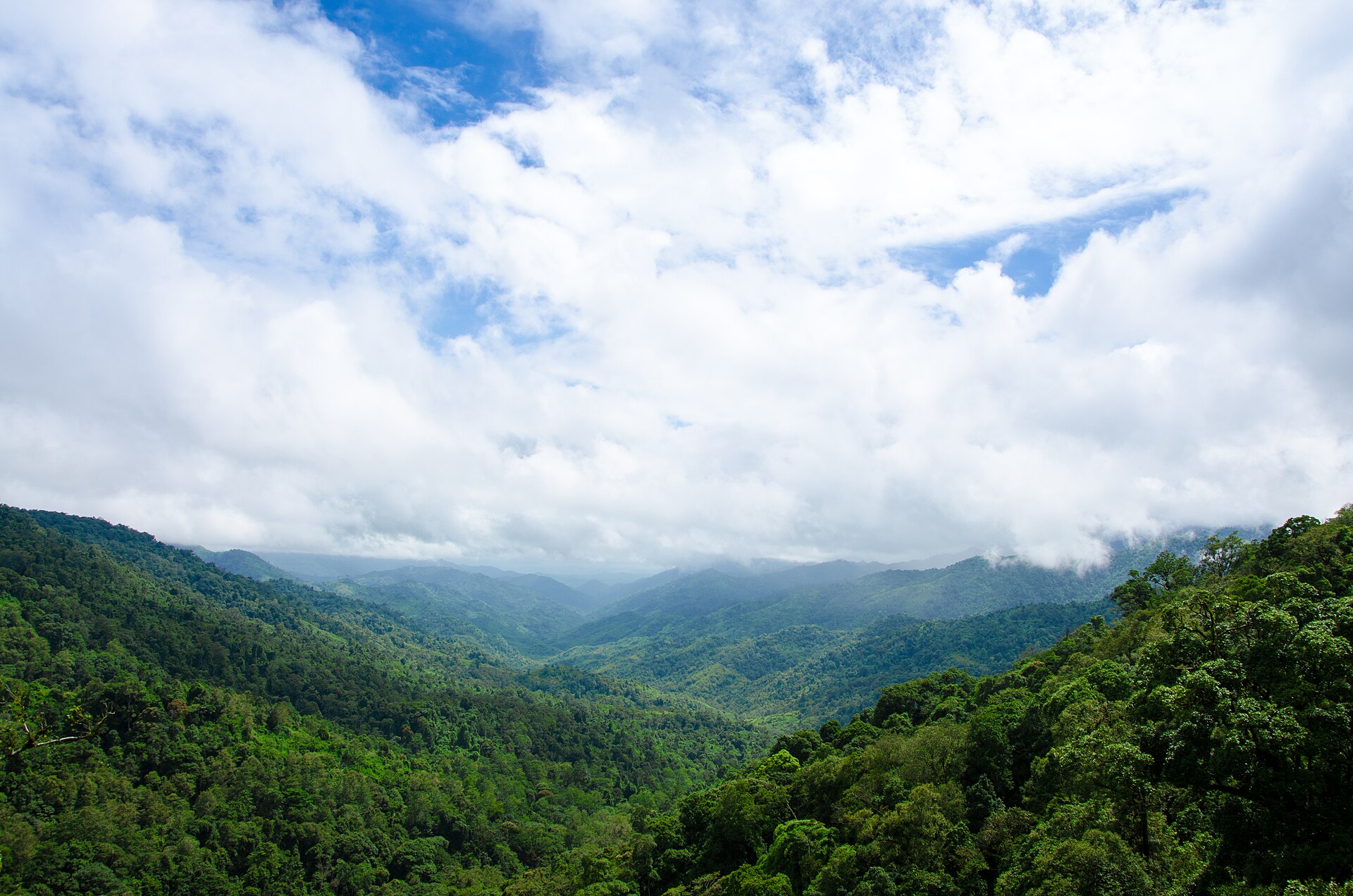
Chong Yen sits high in Mae Wong National Park, at the end of the public road climbing from the Kamphaeng Phet side of the forest. It is known for cool air, layered mountain views, birdlife, mossy vegetation and a small campsite that feels far removed from the plains below. The journey is part of the experience, but it also demands the most preparation.
Official regional park information describes Chong Yen as the road’s highest and final vehicle-accessible point, with year-round cool conditions and space for a limited number of campers. Tourism Authority of Thailand features also identify it as a strong dark-sky and mist-viewing destination.
When to go
November through February is the most comfortable season for many visitors. Nights can feel genuinely cold by Thai standards, particularly when wind moves through the pass. Bring a warm layer, long trousers and a sleeping setup rated for more than a typical lowland campsite.
The wet season can produce dramatic cloud and mist, but rain raises the stakes on the mountain road. Visibility drops, surfaces become slippery and park access can change at short notice. Never treat a social-media photograph as proof that the road is open today. Contact the park and check official notices before departure.
The mountain road
The climb from park headquarters is narrow and winding, with sustained gradients and limited services. Start with a full tank, sound brakes, good tyres and a driver who is comfortable with mountain roads. Avoid arriving after dark. Descend in a low gear rather than riding the brakes continuously.
Motorcyclists face wind, sudden rain and cold on the upper section. Wear protective equipment and keep luggage stable. A small city scooter with worn tyres is not the tool for an improvised mountain trip. If nobody in the group is confident, arrange local transport instead of learning on the road.
Camping at Chong Yen
The campsite is valued for its setting, not resort-level facilities. Bring drinking water, food that is easy to manage, a torch, rubbish bags, power banks and a compact first-aid kit. Ask the park what tents, bedding or cooking equipment can currently be rented. Availability changes, and an old trip report may describe services that are no longer offered.
Keep food sealed and follow every wildlife instruction. Do not feed animals, play amplified music or leave scraps around the tent. Quiet is part of the appeal and is especially important for birdwatchers in the early morning.
Stargazing and mist
Chong Yen’s elevation and distance from major cities create dark skies when clouds clear. Let your eyes adjust for at least 20 minutes, dim screens and use a red torch mode if available. A tripod helps more than an expensive camera for night photographs. Clouds, moonlight and smoke can all reduce visibility, so a star-filled sky is never guaranteed.
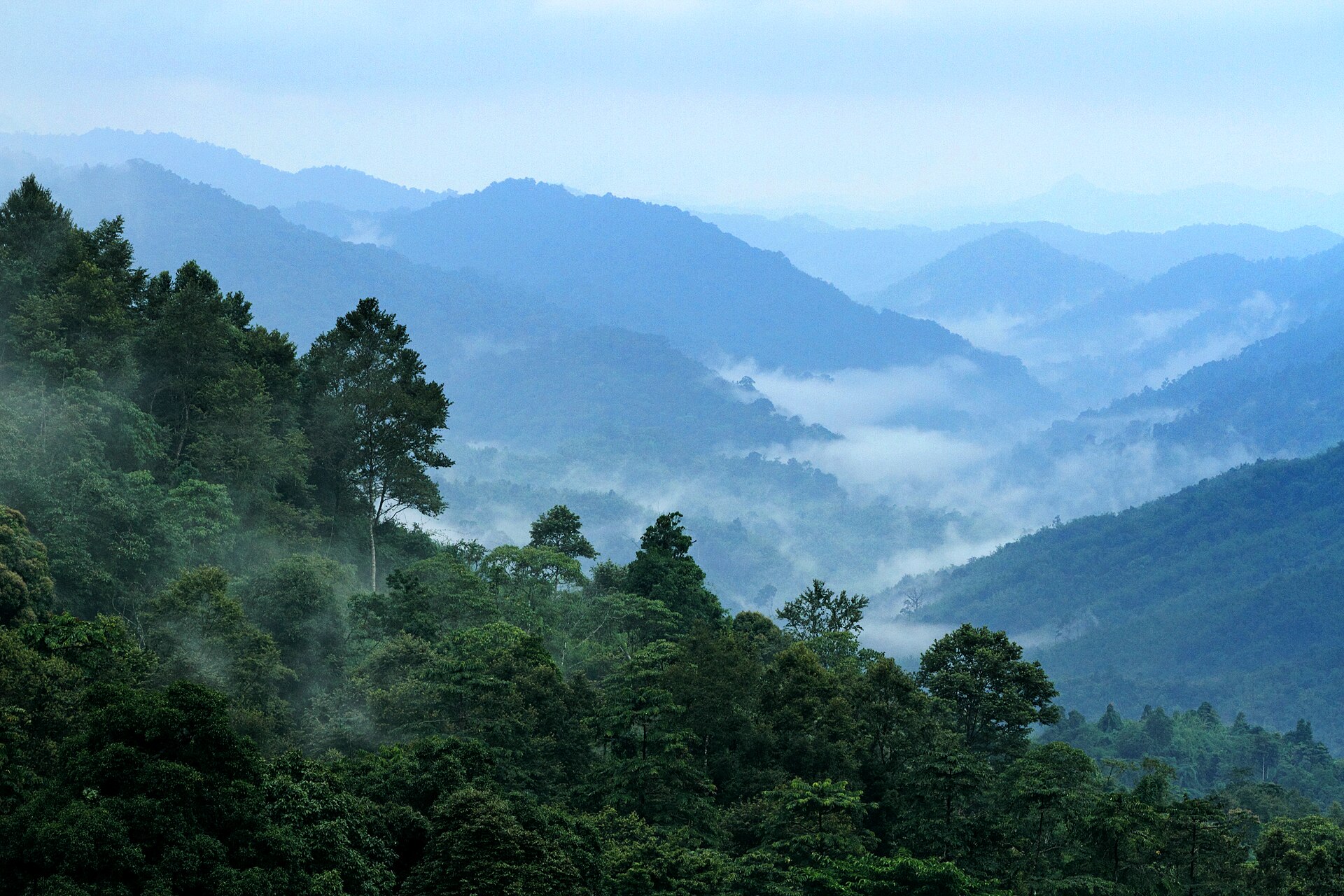
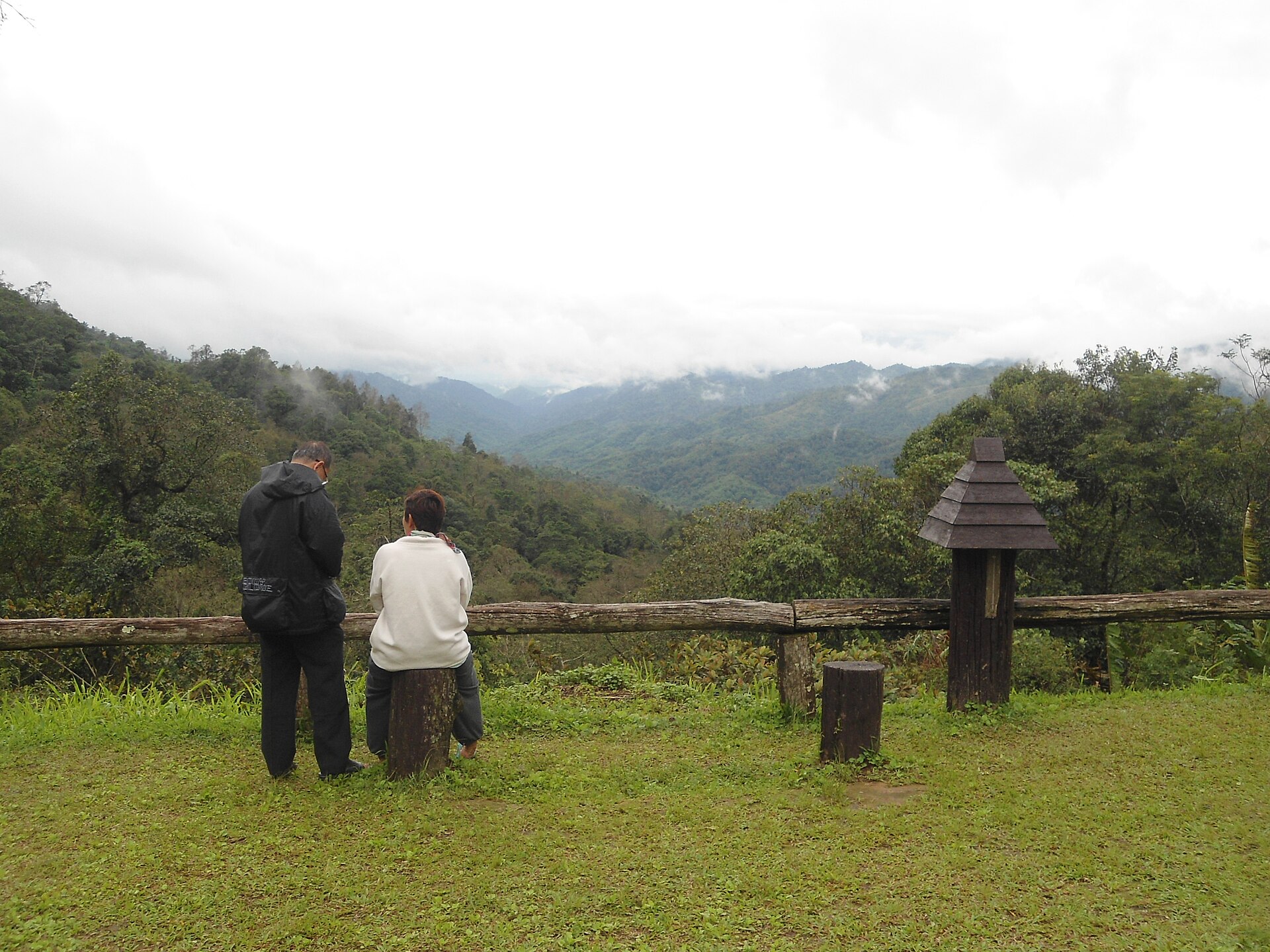
At dawn, the ridges can appear in layers beneath moving mist. Stay within marked viewpoints and avoid stepping onto wet edges for a photograph. The safest composition is rarely the one taken beyond a barrier.
Birding and forest care
Mae Wong is important forest habitat, and Chong Yen is known among birders for high-elevation species. Binoculars are more useful than approaching a bird for a phone photograph. Walk quietly, keep playback to a minimum and never disturb a nest.
The broader park supports sensitive wildlife. Follow closures, stay on designated roads and trails, and do not interpret a lack of fencing as permission to explore. Mobile signal can be weak, so share the route and return plan with someone before entering.
Building the itinerary
Treat Chong Yen as an overnight mountain objective, not a quick addition to a packed Kamphaeng Phet day. Reach the park early, complete registration, climb in daylight, set up before sunset and leave margin for weather. On the return, Kamphaeng Phet Historical Park can anchor a separate cultural day without rushing the forest.
The park’s status, fees, campsite capacity and vehicle rules can change. Confirm them through current Department of National Parks channels or the park office. Save key numbers offline because reception may disappear on the climb.
What to pack
- Warm sleeping layer and rain protection
- Drinking water and simple food
- Torch with spare battery
- Power bank and offline map
- Binoculars and insect protection
- Rubbish bags and basic first aid
Explore more Thailand travel guides, plan active trips through culture and nature coverage, and compare places to stay before and after the climb.
Common questions
Road access
It is the final vehicle-accessible point on the park road, but access can be restricted by weather or park operations. Confirm before travelling.
Night temperatures
Yes. The high, windy location can feel cold, especially from November to February. Pack for a much cooler night than the lowlands.
Mobile signal
No. Download maps and important information, and tell someone your route and expected return time.