
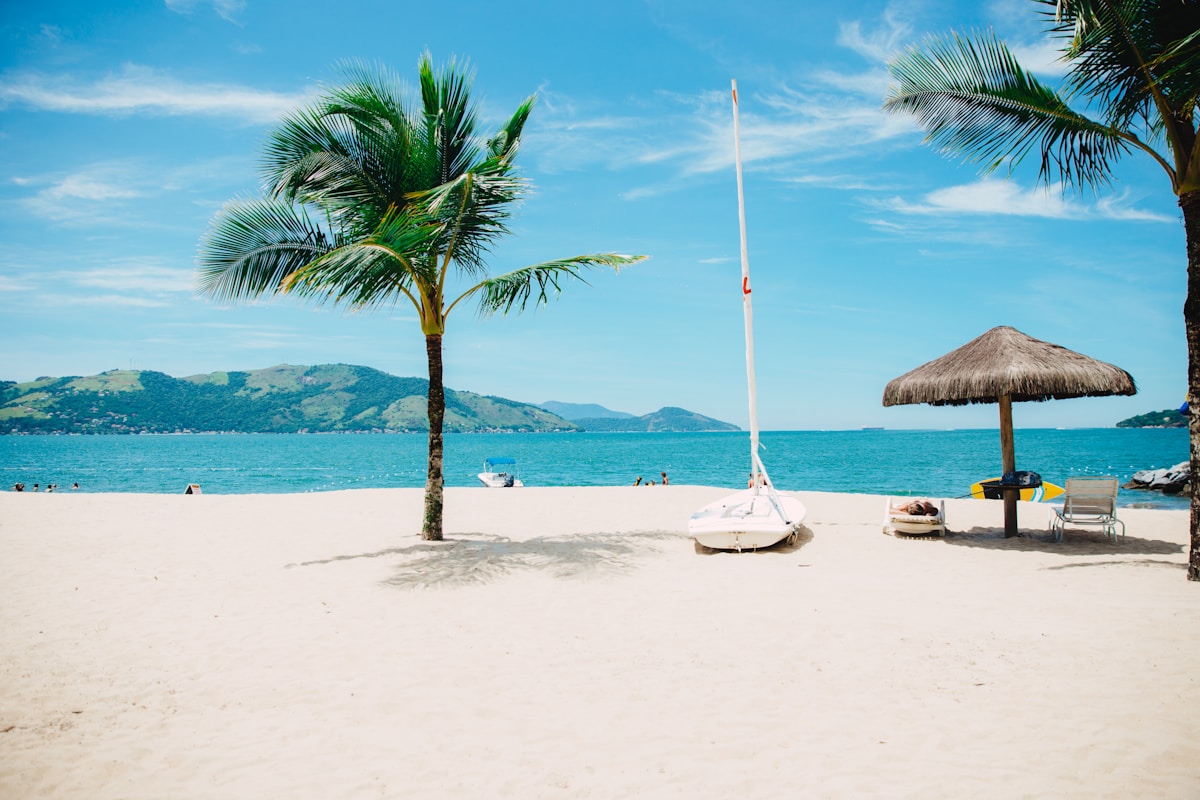
Thailand’s islands are among the most alluring destinations in the world, but choosing between them can be paralysing. With dozens of islands spanning two distinct coastlines — the Andaman Sea to the west and the Gulf of Thailand to the east — each offering different vibes, activities, and price points, the “which island?” question is one every Thailand visitor must answer. This guide compares the major islands across the criteria that matter most: beaches, atmosphere, activities, accessibility, budget, and the type of traveller each island best serves.
Phuket: The All-Rounder
Phuket is Thailand’s largest island and its most developed beach destination. Connected to the mainland by a bridge and served by an international airport with direct flights from major cities across Asia, Europe, and the Middle East, Phuket offers the most convenient access and the broadest range of experiences of any Thai island.
The western coast features a succession of beaches, each with a distinct character. Patong is the most developed — a bustling strip of hotels, restaurants, bars, and nightlife that caters to visitors seeking maximum entertainment and convenience. Kata and Karon offer a more balanced atmosphere: good beaches, solid restaurant scenes, and enough nightlife to entertain without overwhelming. Kamala and Surin attract a more upscale crowd, with luxury resorts and beach clubs replacing the neon of Patong. The northern beaches of Bangtao and Mai Khao provide the most serene settings, anchored by the Laguna resort complex and several five-star properties.
Phuket excels as a base for day trips — Phang Nga Bay, the Phi Phi Islands, Koh Racha, and the Similan Islands are all accessible on day excursions. The island’s infrastructure includes world-class hospitals, international schools, and a mature dining scene that spans street food to Michelin recognition. The trade-off is development: Phuket can feel crowded and commercialised, particularly around Patong, and traffic congestion during peak season is a genuine irritation.
Best for: first-time Thailand visitors, families wanting convenience, groups with varied interests, luxury resort seekers, and anyone using an island as a base for broader exploration.
Koh Samui: The Sophisticated Choice
Koh Samui, the largest island in the Gulf of Thailand, has matured into a destination that balances natural beauty with upscale development. The island has its own international airport (built and operated by Bangkok Airways, which maintains a monopoly on direct services), ensuring convenient access but at higher flight prices than Phuket.
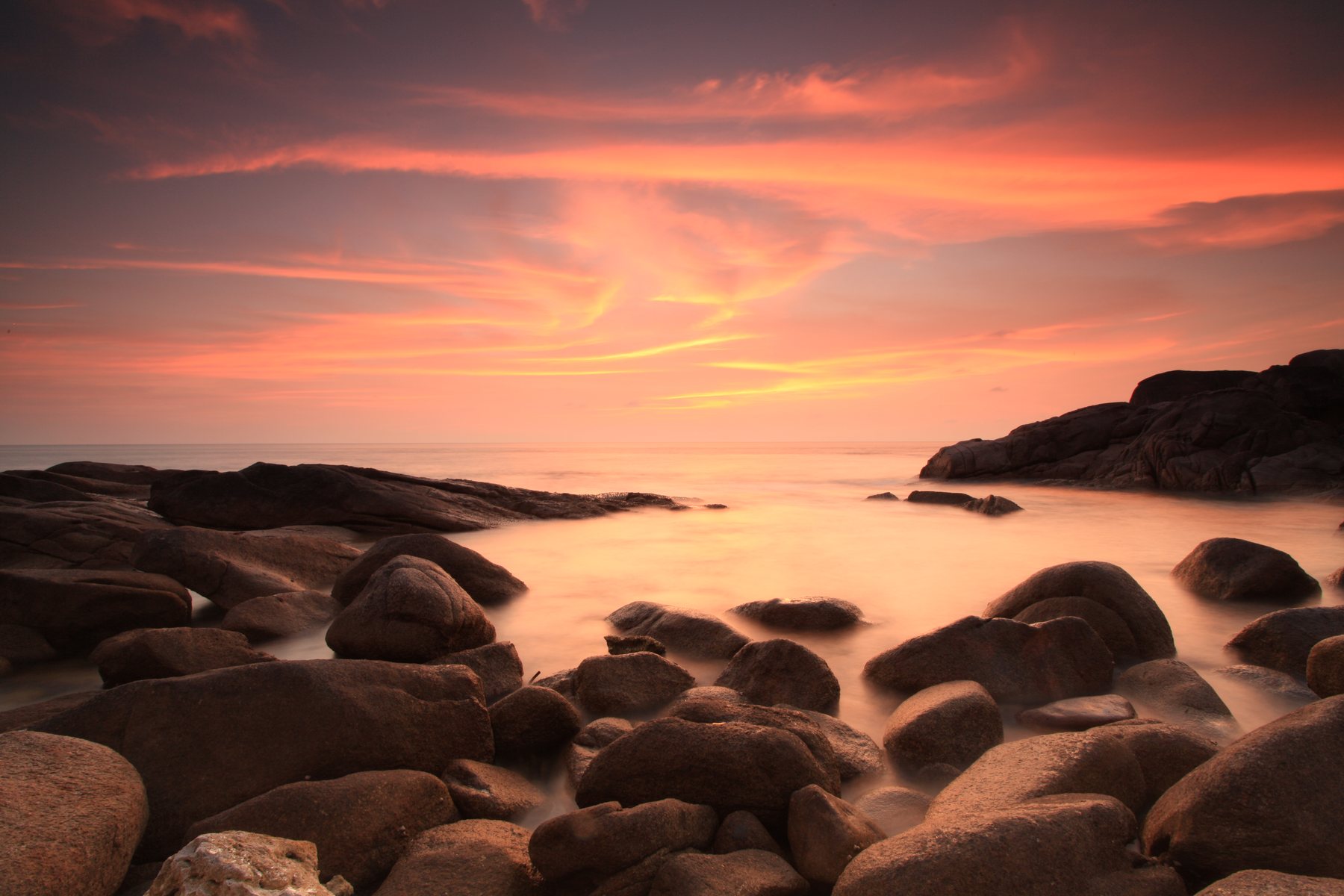
Samui’s beaches are postcard-perfect. Chaweng, the most popular, offers a long crescent of white sand backed by restaurants, bars, and boutiques. Lamai is slightly quieter with excellent swimming. Bophut’s Fisherman’s Village combines a charming heritage streetscape with boutique shopping and dining. Maenam and Bang Por on the northern coast provide the quietest beach experiences, popular with families and long-stay visitors.
The island’s wellness scene is notably strong, with luxury spas and health resorts including Kamalaya attracting visitors specifically for transformative health experiences. The dining scene has evolved considerably, with Thai and international restaurants of genuine quality competing for a discerning clientele. Koh Samui also serves as the gateway to the Ang Thong Marine National Park — a stunning archipelago of 42 islands accessible by speedboat.
Best for: couples seeking romance, wellness-focused travellers, those who appreciate quality dining, visitors wanting a more refined island experience.
Koh Tao: The Diver’s Paradise
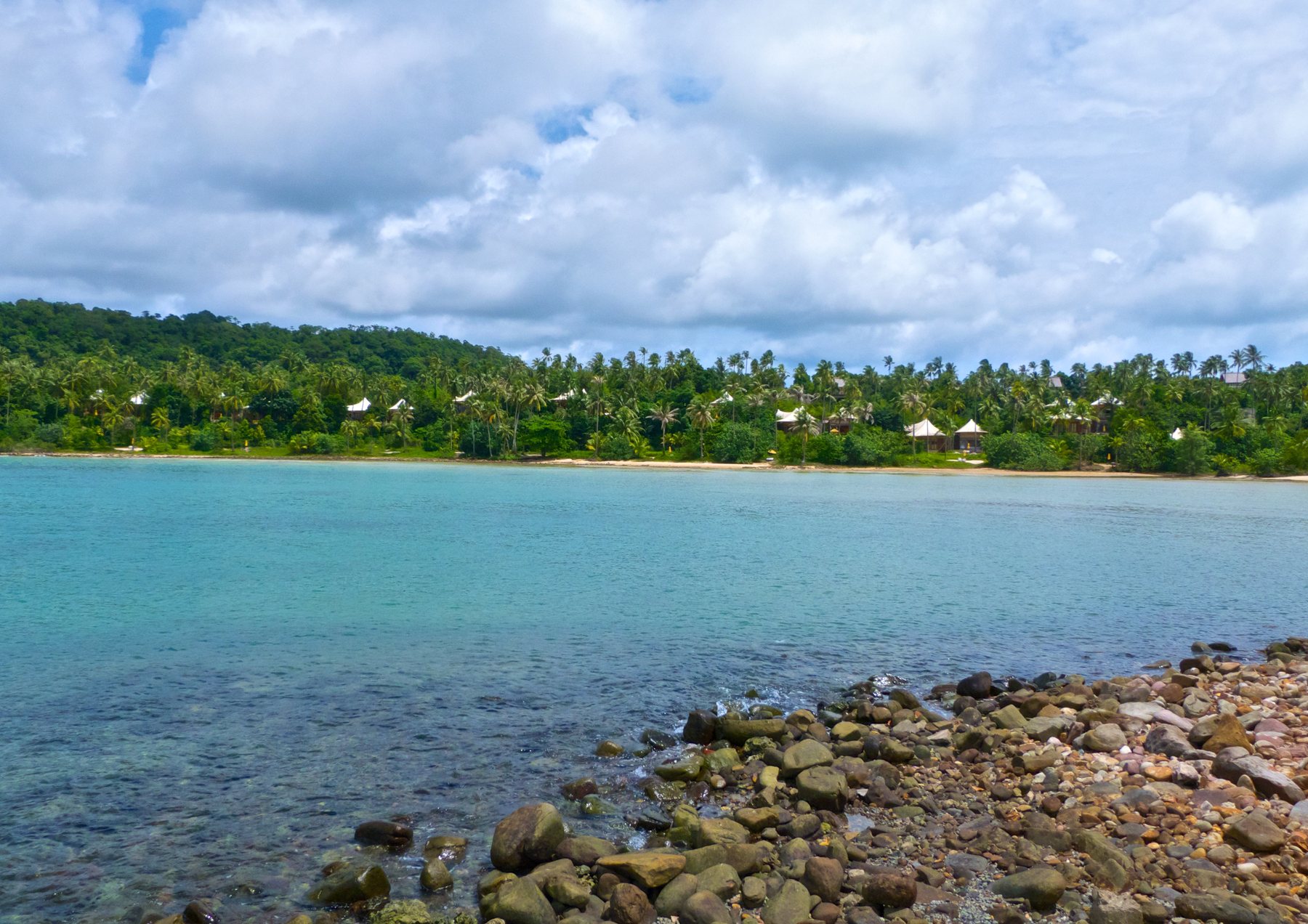
Tiny Koh Tao — just 21 square kilometres — has earned a global reputation as one of the cheapest and most accessible places to learn scuba diving. The island’s sheltered bays, warm water, and diverse marine life create ideal conditions for both beginners and experienced divers, and competition among the dozens of dive schools keeps prices remarkably low.
PADI Open Water certification on Koh Tao costs approximately 9,000 to 12,000 THB — roughly half the price of equivalent courses in Australia or the Maldives. For certified divers, the island offers sites ranging from shallow coral gardens to deeper pinnacles where whale sharks are sighted seasonally. Snorkelling is equally rewarding, with Shark Bay and Japanese Garden providing excellent coral viewing from the surface.
Beyond diving, Koh Tao has a distinctly youthful, backpacker-friendly energy. Accommodation ranges from basic bamboo bungalows (from 500 THB per night) to boutique resorts (3,000 to 8,000 THB), but the overall vibe is budget-conscious and social. Nightlife centres around Sairee Beach, with fire shows, beach bars, and a party atmosphere that builds on weekends.
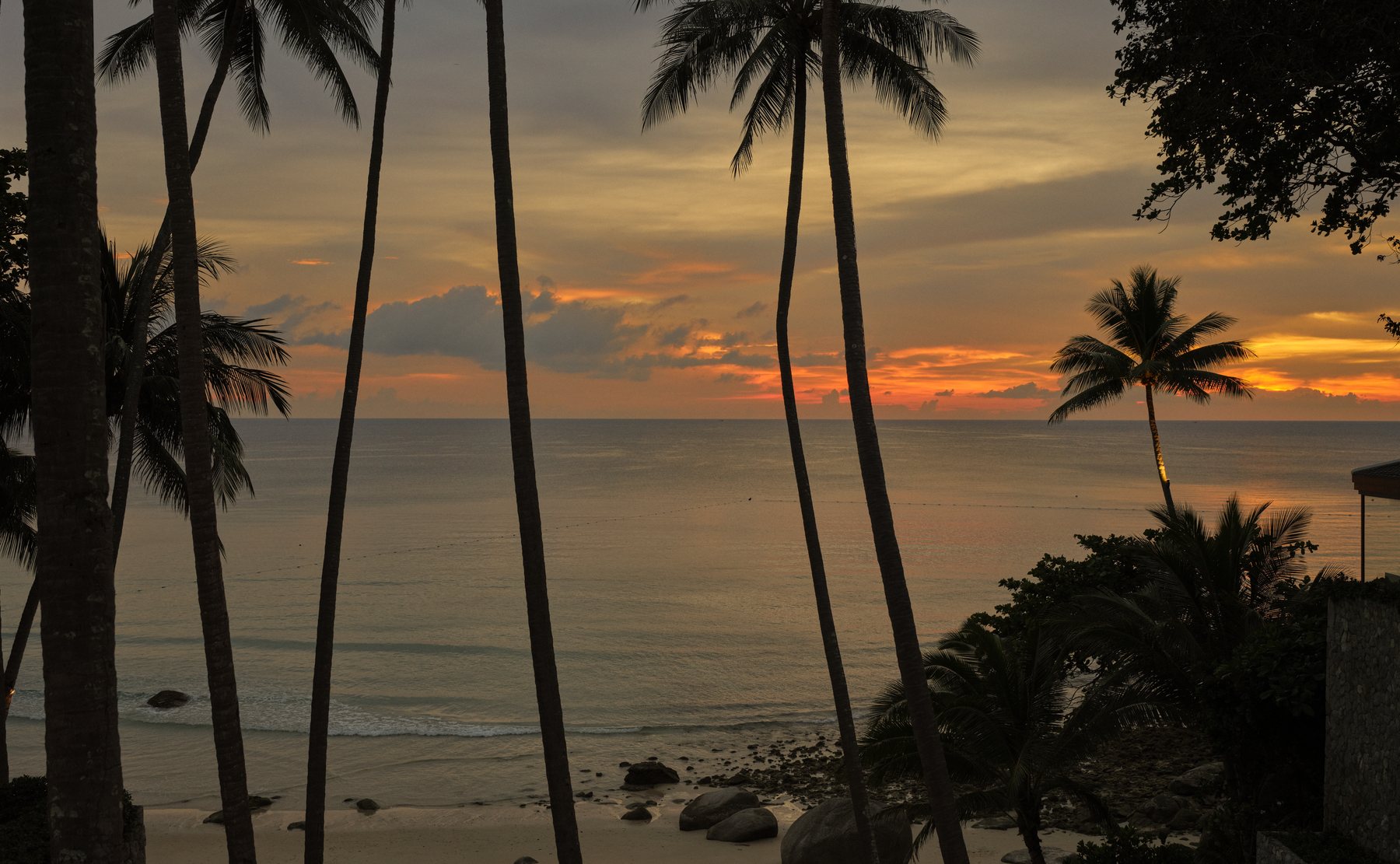
Best for: diving enthusiasts, budget travellers, young backpackers, and anyone seeking a small-island community atmosphere.
Koh Lanta: The Tranquil Escape
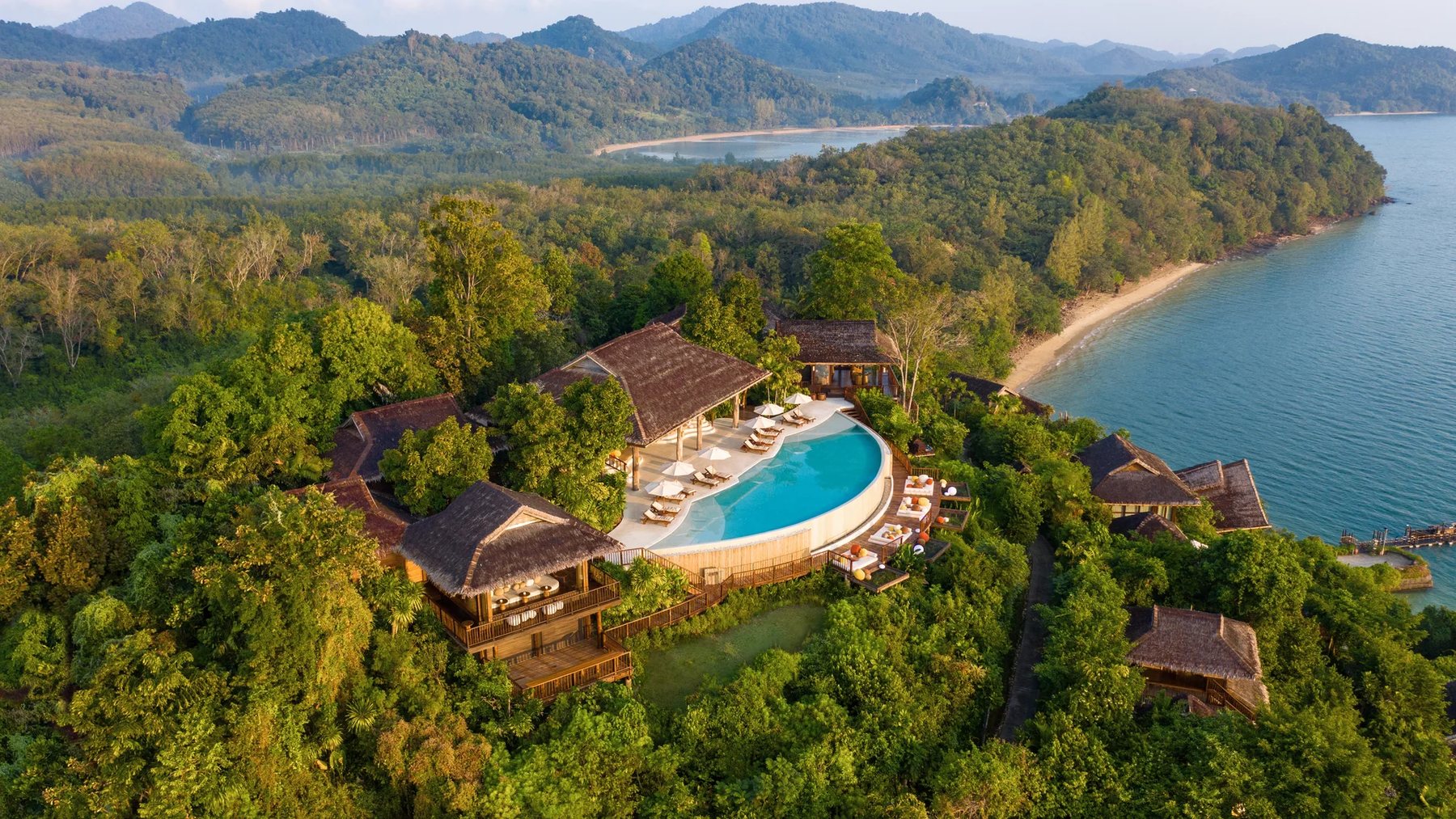
Koh Lanta in Krabi Province is the antidote to island over-development. This long, narrow island on the Andaman coast has resisted the mass tourism that has transformed Phuket and Samui, maintaining a peaceful, family-friendly character that attracts travellers seeking relaxation over stimulation.
The island’s western beaches — Long Beach, Klong Dao, Klong Nin, and Kantiang Bay — offer excellent swimming, golden sand, and spectacular sunsets without the crowds. The eastern coast, home to the charming Lanta Old Town with its traditional stilt houses, provides cultural interest and a glimpse of the island’s multicultural heritage.
Koh Lanta has developed a notable digital nomad community, centred around the KoHub coworking space. The island’s combination of reliable internet, affordable living, beautiful beaches, and excellent diving access makes it an increasingly popular choice for remote workers planning extended stays. Accommodation is remarkably affordable, with beachfront bungalows from 5,000 THB per month during the low season.
Best for: families with children, couples seeking quiet, digital nomads, travellers who prefer natural beauty to nightlife.
Koh Chang: The Jungle Island
Thailand’s third-largest island, Koh Chang sits in the eastern Gulf near the Cambodian border — geographically removed from the more famous southern islands and consequently less crowded. The island’s defining feature is its dense tropical interior: 70 per cent of Koh Chang is covered in jungle, with mountains rising to over 700 metres, waterfalls cascading through rainforest, and wildlife that includes hornbills, macaques, and monitor lizards.
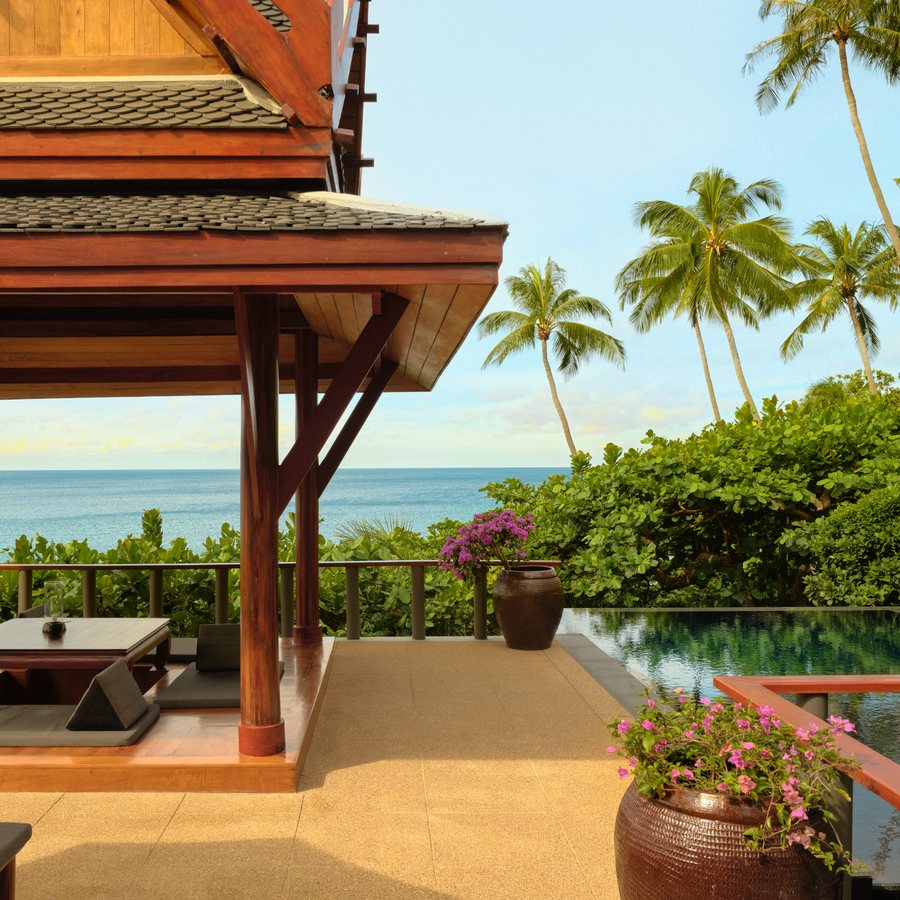
The western coast offers the best beaches, with White Sand Beach and Lonely Beach the most popular. The island’s relative remoteness (Trat airport receives three daily flights from Bangkok via Bangkok Airways, and a ferry crossing completes the journey) means it attracts fewer international tourists than the southern islands, creating a more authentically Thai atmosphere.
Accommodation ranges from budget huts to luxury resorts, and the food scene — while less developed than Samui or Phuket — includes excellent seafood restaurants along the coast. The November to April dry season brings warm weather and calm seas, with average temperatures of 25 to 30 degrees Celsius.
Best for: nature lovers, those seeking a less touristy experience, couples wanting peaceful beaches, adventure travellers interested in jungle trekking.
Weather Considerations
Thailand’s two coastlines experience different weather patterns. The Andaman Sea islands (Phuket, Koh Lanta, Phi Phi) have their dry season from November to April and wet season from May to October. The Gulf of Thailand islands (Koh Samui, Koh Tao, Koh Phangan, Koh Chang) experience their wettest period from October to December, with the rest of the year generally drier. This offset means that when one coast is experiencing its monsoon, the other often enjoys better weather — allowing flexible travellers to choose their island based on the season.
Making Your Choice
The perfect Thai island depends entirely on what you’re seeking. For maximum convenience and variety, choose Phuket. For sophistication and wellness, choose Koh Samui. For diving on a budget, choose Koh Tao. For peace and natural beauty, choose Koh Lanta. For jungle adventure and authenticity, choose Koh Chang. And for the truly adventurous, combine two or three islands in a single trip — Thailand’s efficient domestic transport network makes island-hopping not just possible but genuinely pleasurable.