
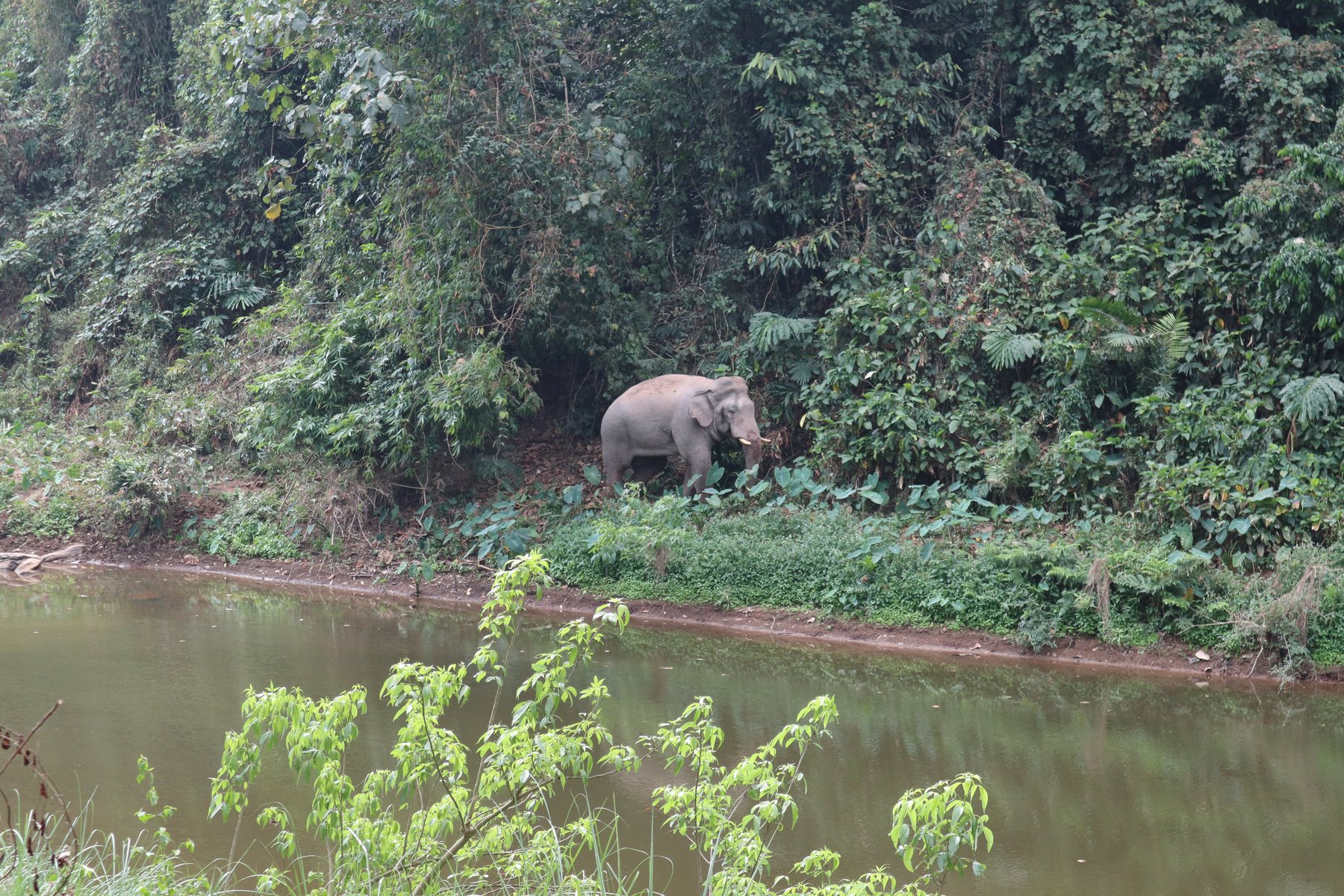
Thailand’s 133 national parks protect some of the most biodiverse ecosystems in Southeast Asia, from the monsoon rainforests of the south to the cool mountain forests of the north. For travellers seeking natural beauty beyond the beaches and temples, these parks offer world-class trekking, wildlife encounters, and landscapes of extraordinary drama. Here are four of the finest national parks in Thailand, each offering a distinct experience of the Kingdom’s natural heritage.
Khao Yai National Park
Khao Yai, Thailand’s oldest national park and a UNESCO World Heritage Site, is the most accessible major park from Bangkok — just three hours by car northeast of the capital. Spanning over 2,000 square kilometres across four provinces, the park protects one of the largest intact monsoon forests in mainland Asia and shelters an extraordinary diversity of wildlife including wild elephants, gibbons, hornbills, bears, and over 300 bird species.
The park’s trail network ranges from easy interpretive walks to challenging full-day treks through dense forest. The Haew Narok waterfall trail (approximately three hours return) leads to one of Thailand’s most impressive cascades — a three-tiered fall plunging 150 metres into a forested gorge. The Haew Suwat waterfall, made famous by its appearance in the film The Beach, is accessible via a shorter, easier trail. Night safari drives, led by park rangers, offer the chance to spot deer, civets, porcupines, and occasionally elephants illuminated by spotlights along the park roads.
Entry fees are 400 THB for adults and 200 THB for children. The park operates visitor centres with trail maps, and ranger-guided tours can be arranged for deeper forest exploration. Accommodation within the park includes campsites (from 30 THB per person with your own tent) and basic bungalows (from 800 to 2,000 THB). The surrounding area — particularly the approach road from Pak Chong — has developed a thriving ecosystem of boutique hotels, restaurants, and wineries that complement a park visit.
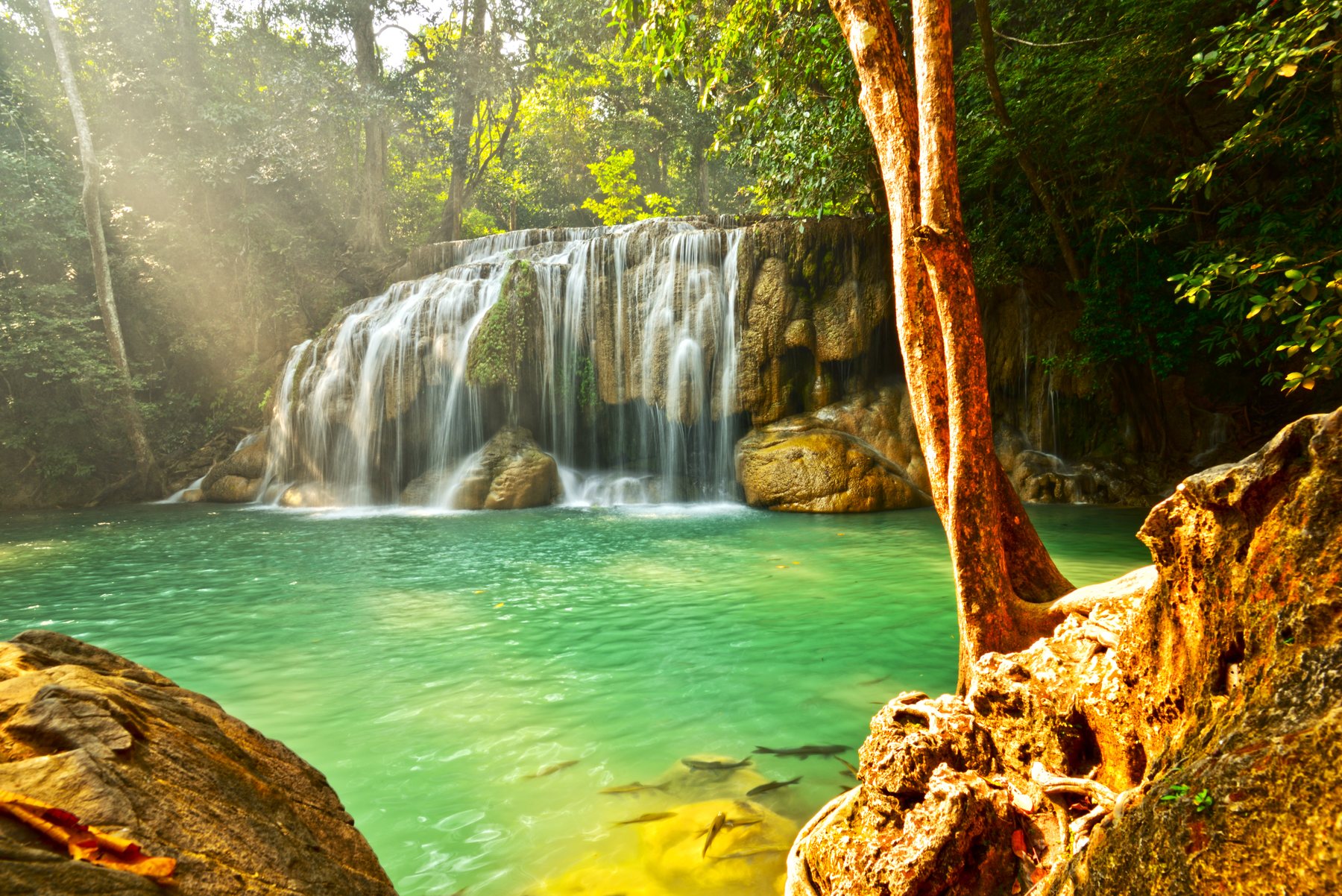
Best time to visit: November to February (cool, dry season with the best wildlife viewing conditions). The rainy season (June to October) brings lush greenery and dramatic waterfalls but makes some trails slippery and difficult.
Khao Sok National Park
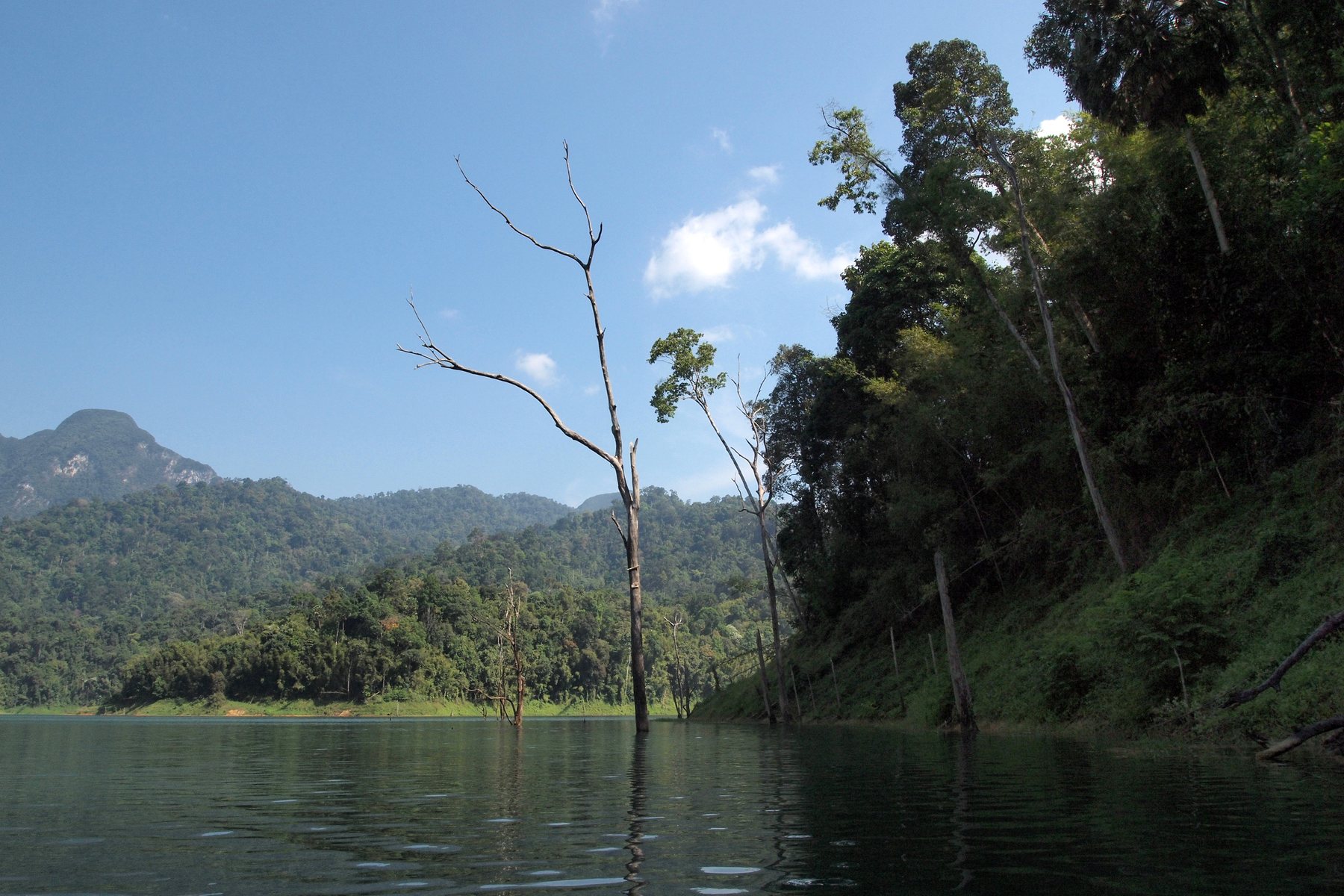
Khao Sok in Surat Thani Province is arguably Thailand’s most visually spectacular national park. The landscape is dominated by towering limestone karsts — ancient formations that predate even the Alps — rising dramatically from primary rainforest and the vast Cheow Lan Lake, a reservoir created by the Ratchaprapha Dam in 1987. The resulting scenery, particularly at the lake, is genuinely breathtaking: sheer limestone cliffs reflected in emerald water, with mist rising through the forest canopy at dawn.
The park’s rainforest is estimated to be 160 million years old, making it one of the oldest evergreen forests on Earth. This antiquity supports remarkable biodiversity: over 5 per cent of the world’s plant species are found here, including the Rafflesia — the world’s largest flower, which blooms unpredictably in the forest understory. Wildlife includes Asian elephants, Malayan tapirs, barking deer, langurs, and over 300 bird species.
The Cheow Lan Lake experience is the park’s signature offering. Floating raft houses provide accommodation directly on the lake (from approximately 1,500 to 3,000 THB per person including meals and boat transfer), allowing guests to wake to the sound of gibbons calling across the water and swim in the lake before breakfast. Kayaking among the limestone formations, hiking to caves with ancient stalactites, and guided nature walks through the surrounding forest complete the lake experience.
Entry fees are 300 THB per person. The park is accessible from Surat Thani (approximately 1.5 hours by road) or Phuket and Krabi (approximately three hours), making it a feasible addition to a southern Thailand itinerary.
Doi Inthanon National Park
Doi Inthanon, rising to 2,565 metres, is Thailand’s highest peak and the centrepiece of a national park that offers a dramatically different climate and ecosystem from the tropical lowlands. Located approximately 90 kilometres southwest of Chiang Mai, the park is easily accessible as a day trip from the city or as an overnight stay in the surrounding Mae Chaem valley.
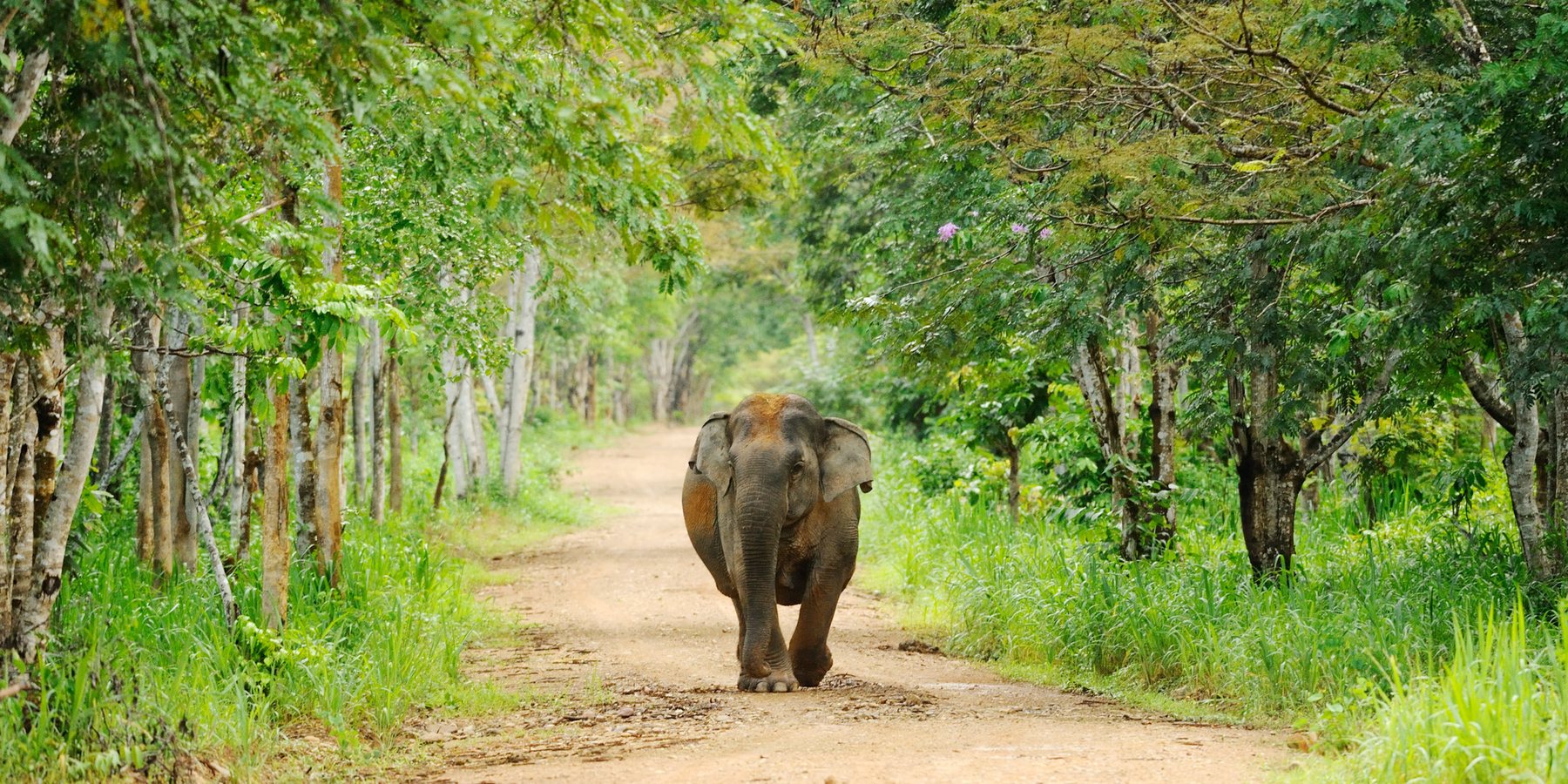
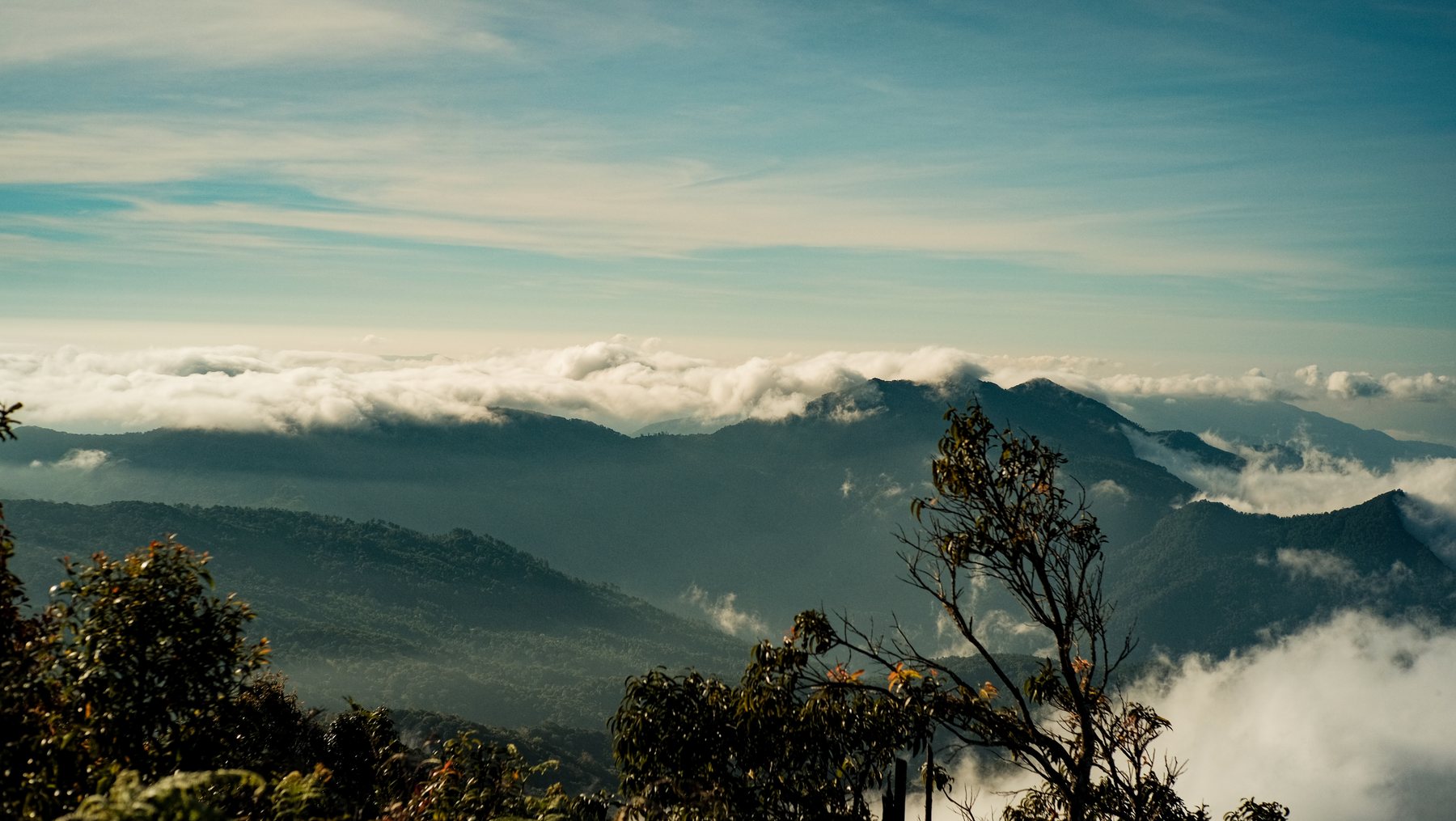
The summit area experiences temperatures that can drop to near freezing during the cool season (December to February) — a remarkable contrast to the 30-degree heat of the lowlands below. This altitude supports cloud forest and moss-draped evergreen forest that harbours plant and bird species found nowhere else in Thailand. Birdwatchers prize Doi Inthanon as one of Southeast Asia’s premier birding destinations, with over 380 recorded species including several rare montane endemics.
The park’s highlights include the twin chedis (stupas) near the summit, built to honour King Bhumibol and Queen Sirikit, surrounded by ornamental gardens that bloom spectacularly during the cool season. Several waterfalls cascade through the park at different elevations, with Wachirathan Falls (the most powerful) and Sirithan Falls (the most photogenic) accessible via short walks from the main road. The Kew Mae Pan Nature Trail, a 2.5-kilometre boardwalk through cloud forest with panoramic views of the surrounding valleys, is the park’s finest walk.
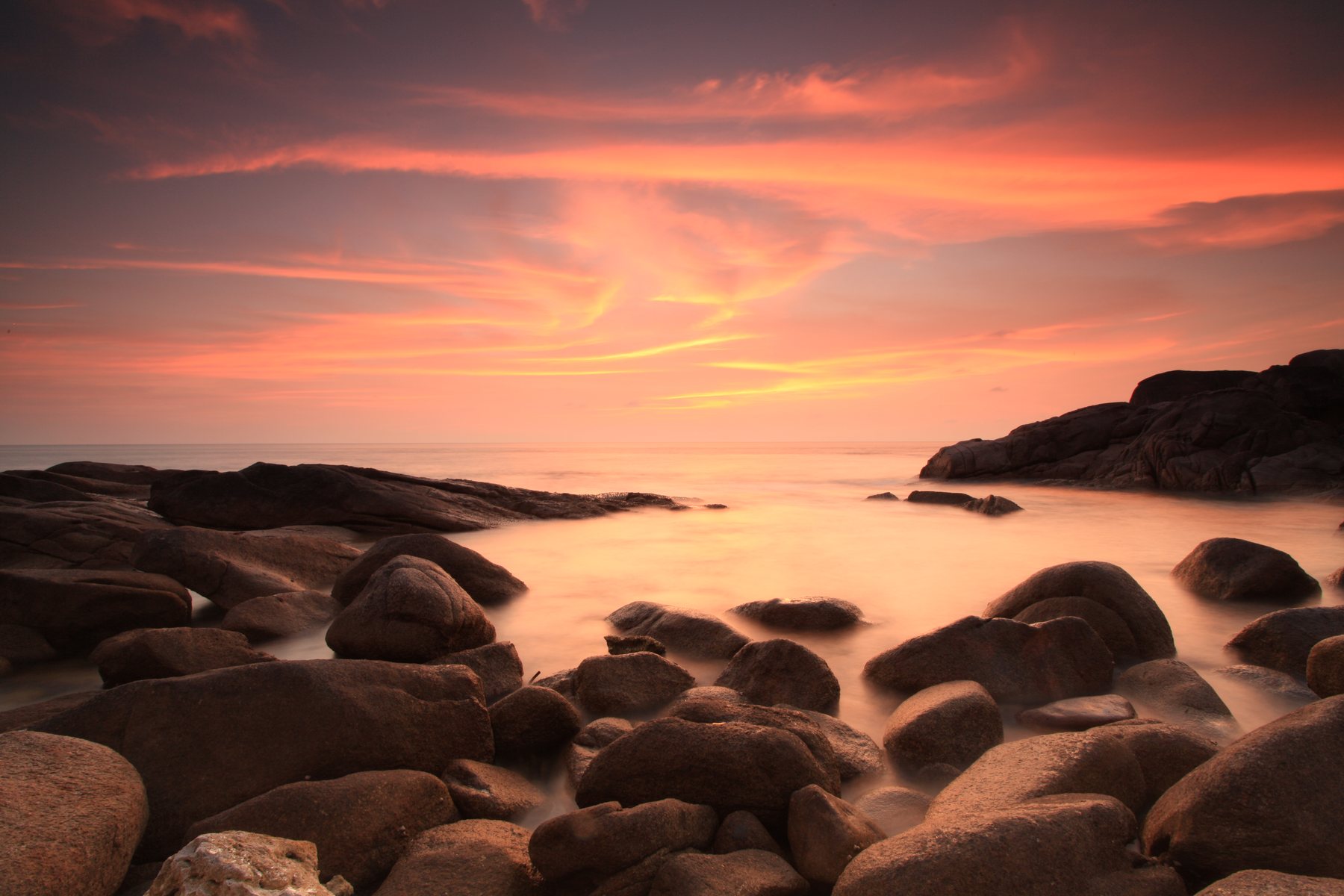
Entry fees are 300 THB for adults. The park is best visited in the cool season (November to February) when the summit temperatures are refreshing, the gardens are blooming, and visibility from the viewpoints is at its best.
Erawan National Park
Erawan National Park in Kanchanaburi Province is home to one of Thailand’s most beautiful waterfalls — a seven-tiered cascade that tumbles through tropical forest into a series of turquoise pools perfect for swimming. Located approximately three hours west of Bangkok, Erawan is accessible as a day trip from the capital or as part of a broader Kanchanaburi itinerary that includes the Bridge over the River Kwai and the Hellfire Pass Memorial.
The Erawan Falls trail follows the waterfall system from its base to the seventh and highest tier, a journey of approximately two kilometres that takes one to two hours depending on fitness and swimming stops. Each tier has a distinct character: the lower levels feature broad, easily accessible pools ideal for families, while the upper tiers require scrambling over rocks and tree roots and offer more secluded swimming spots. The water’s striking turquoise colour results from dissolved limestone, and the pools are cool enough to be genuinely refreshing even in the hottest months.
The park enforces environmental protection measures: plastic bottles and containers must be deposited at checkpoints before ascending, and visitors to the upper tiers must register and sometimes queue during busy periods. These measures have successfully preserved the waterfall’s pristine condition despite its popularity.
Entry fees are 300 THB for adults and 150 THB for children aged 3 to 14. The park opens at 8am and closes at 4:30pm daily (visitors must begin descending from the upper tiers by 3:30pm). Arriving early — ideally at opening time — ensures the best experience with fewer crowds, particularly on weekends and public holidays when the park can reach capacity.
Planning Your National Park Visit
Thailand’s national parks generally offer excellent value for the entry fees charged. Most provide basic trail maps at visitor centres, though detailed topographic maps are not always available — downloading offline maps or hiring a local guide is recommended for longer hikes. Ranger-guided tours, where available, add enormously to the experience through expert wildlife spotting and botanical knowledge.
Pack accordingly: sturdy footwear, rain protection (even in the dry season, mountain areas can experience showers), insect repellent, sunscreen, and adequate water. Leeches are present in some forest areas during the rainy season — wearing long trousers tucked into socks and applying leech-repellent socks reduces the nuisance significantly.
Thailand’s national parks represent the country’s greatest natural treasures — landscapes of global significance protected for future generations. A visit to any of these parks provides a powerful counterpoint to the beaches and cities, revealing a Thailand of ancient forests, cascading waters, and wildlife encounters that remind us why conservation matters.